
Please enter a valid location


PROTECTION
- BACTERIAL BLIGHT
- ROOT-KNOT NEMATODE
- RENIFORM NEMATODES
- VERTICILLIUM WILT
- FOV RACE 4

RESISTANCE TO BACTERIAL BLIGHT
See how you can combat an outbreak of bacterial blight before it ever happens with PhytoGen® cottonseed featuring PhytoGen Breeding Traits™.
RESISTANCE TO BACTERIAL BLIGHT
See how you can combat an outbreak of bacterial blight before it ever happens with PhytoGen® cottonseed featuring PhytoGen Breeding Traits™.
What Is It?
Bacterial blight is a dangerous threat to your cotton that causes seeding blight, leaf spot, black arm and boll rot.
What Does It Impact?
It has a tremendous impact on your production and profitability by reducing both quality and yield.
Who's At Risk?
Bacterial blight is a high-level concern in all cotton regions. Field infestations for bacterial blight can seemingly come out of nowhere. And once you have an infestation, it lingers. The bacteria can survive in crop debris, waiting until your next growing season to strike.

"Bacterial blight protection is important in the years when I need it. You never know when it’s going to hit, so it’s good insurance. It’s just part of the PhytoGen package that contributes to the yield and quality."
DOUG SCOTT, Missouri Cotton Producer

RESISTANCE TO ROOT-KNOT NEMATODE
See how you can stop parasites such as root-knot nematodes from affecting your yield with PhytoGen® cottonseed and PhytoGen Breeding Traits™.
RESISTANCE TO ROOT-KNOT NEMATODE
See how you can stop parasites such as root-knot nematodes from affecting your yield with PhytoGen® cottonseed and PhytoGen Breeding Traits™.
WHAT IS IT?
Root-knot nematodes are microscopic parasites that can cause enormous damage.
WHAT DOES IT IMPACT?
Draining plants’ photosynthate and nutrients, nematodes can be responsible for between 10% and 75% loss in yield. In sandy, droughty soils, losses can approach 80%.
WHO'S AT RISK?
The highest densities are found in the Midsouth, Southeast and West Texas.
"We saw an increase in plant height and an increase in yield from what we would normally expect in that field. PhytoGen Breeding Traits provide season-long protection and a noticeable difference."
MIKE GRIFFIN, Cotton Producer

RELATED ARTICLES


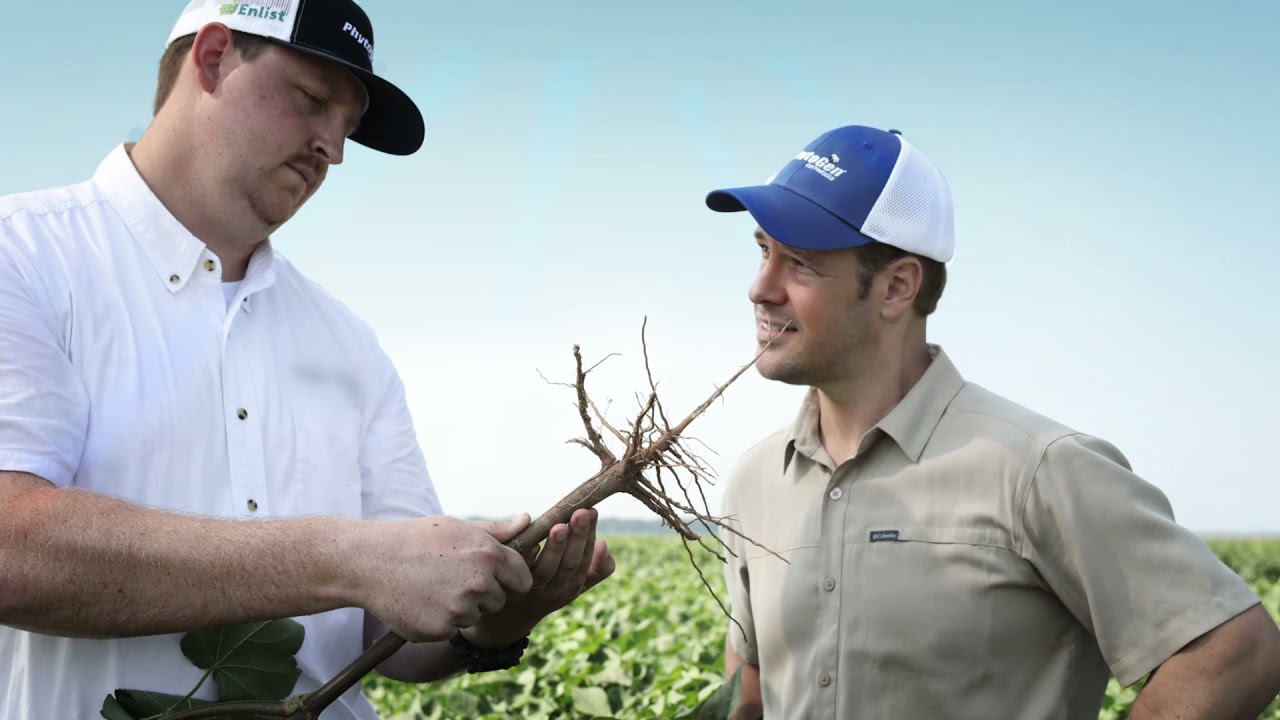
RESISTANCE TO RENIFORM NEMATODES
An invisible pest that causes enormous damage — reniform nematode causes yield losses of up to 100 million pounds of cotton per year. See how you can stop these parasites from damaging your yield with PhytoGen® cottonseed and PhytoGen Breeding Traits™.
RESISTANCE TO RENIFORM NEMATODES
An invisible pest that causes enormous damage — reniform nematode causes yield losses of up to 100 million pounds of cotton per year. See how you can stop these parasites from damaging your yield with PhytoGen® cottonseed and PhytoGen Breeding Traits™.
WHAT IS IT?
Reniform nematodes are microscopic wormlike organisms that can cause exponential damage to cotton.
WHAT DOES IT IMPACT?
By feeding on the roots of your cotton, reniform nematodes stunt plant growth and vigor. Reniform damage is also a stress multiplier — making your plants less resilient against other challenges in the field. Damage from reniform nematodes can result in yield losses of up to 50%.
WHO'S AT RISK?
Reniform nematodes are found across the Cotton Belt from Texas to the Carolinas.
“We could not contend with reniform nematodes any other way that was feasible. Reniform resistance from PhytoGen is the answer. Now we’re producing 3.25 to 3.5 bales of cotton per acre — the best yields those fields have seen in 15 years. It’s a dramatic difference. This reniform resistance is a dream come true.”
DEAN VARDEMAN, West Texas Cotton Producer
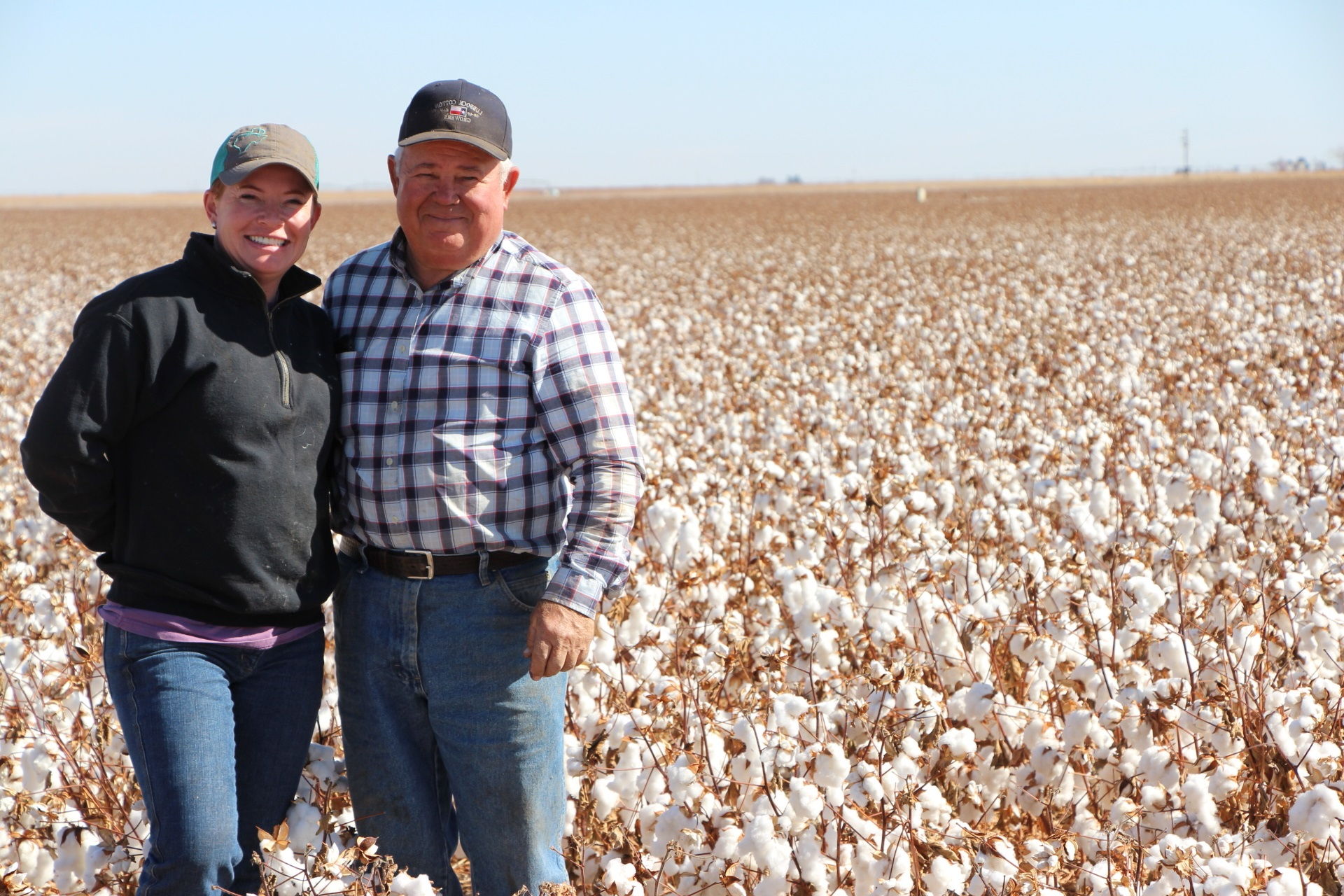

TOLERANCE TO VERTICILLIUM WILT
With nearly 180,000 bales of cotton lost to Verticillium wilt in 2016, you need traits that can stand up to this yield-robbing disease. PhytoGen® brand varieties come with proven trait tolerances to Verticillium wilt. Delivering protection where it matters most: your fields.
TOLERANCE TO VERTICILLIUM WILT
With nearly 180,000 bales of cotton lost to Verticillium wilt in 2016, you need traits that can stand up to this yield-robbing disease. PhytoGen® brand varieties come with proven trait tolerances to Verticillium wilt. Delivering protection where it matters most: your fields.
WHAT IS IT?
Verticillium wilt is a soil-borne fungus that can cause extensive crop damage. With the ability to survive in the soil for extremely long periods of time, it attacks the roots of the cotton plant and spreads through the plant vascular system.
WHAT DOES IT IMPACT?
With the ability to kill the plant and diminish yield, Verticillium wilt has been characterized as the most economically important disease in the southern High Plains.
WHO'S AT RISK?
The highest density of Verticillium wilt is found in West Texas, but it is also prevalent in other areas of the Cotton Belt.

TOLERANCE TO FOV RACE 4
Take a look at how PhytoGen® brand varieties are delivering early season vigor and protection from diseases like Fusarium Race 4 (FOV Race 4) for industry-leading quality and yield.
TOLERANCE TO FOV RACE 4
Take a look at how PhytoGen® brand varieties are delivering early season vigor and protection from diseases like Fusarium Race 4 (FOV Race 4) for industry-leading quality and yield.
WHAT IS IT?
FOV Race 4 is a soil-borne disease that is particularly challenging because it can survive in plant debris and soil. That means the spores can stay in your field for years, threatening future yield.
WHAT DOES IT IMPACT?
Once cotton plants are infected, the fungus spreads through the xylem, partially blocking water intake. This can lead to yield losses and reduced fiber quality.
WHO'S AT RISK?
Currently FOV Race 4 is found in Pima varieties in California. Because it is so pervasive, containment of an outbreak is essential.
"Costs are going up, commodity prices are going down, so we’re trying to get more efficient with inputs. Planting varieties with built-in protection certainly helps."
ARMANDO GALVIN, Farm Manager